
Imagine owning a business that shapes the future of the next generation while providing a needed service to your community. In the hustle and bustle of today’s world, more and more working parents rely on child care services to help them manage their professional and personal lives. These are real people, in your very community, who need your expertise and care. Venturing into Owning a childcare business not only offers financial rewards but also gives you an opportunity to contribute positively to your community. This opportunity for societal impact, along with other benefits, make owning a childcare business an appealing venture. So let’s explore some of these benefits and why they may make sense for you.
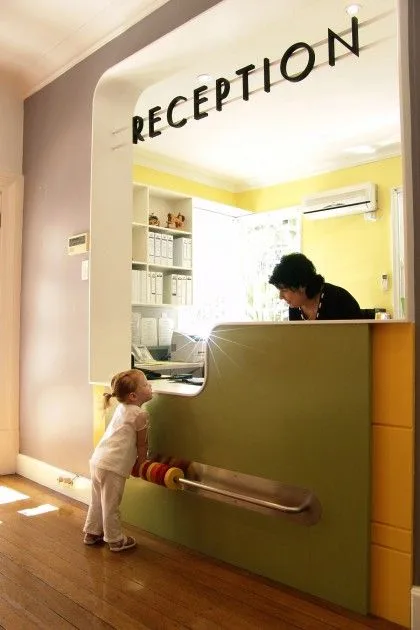
Steady Demand
There’s one aspect of childcare businesses that remains constant – the demand is always there.
Parents’ constant need for childcare
With an increasing number of parents working full-time jobs, the need for reliable, high-quality childcare is more crucial than ever. Despite changes in the economy or shifts in societal trends, parents will always require a safe place for their children to learn and play while they are at work.
Challenges in Finding the Right Child Care Providers
But it isn’t always simple for communities to find childcare providers that truly fit their unique needs. One challenge is the growing presence of large, corporate childcare centers. Companies like KinderCare and Bright Horizons, for example, often have the resources to quickly establish facilities without extensive local investment. While these centers certainly offer reliable care, they sometimes lack the personalized atmosphere so many families look for—a sense of belonging and familiarity that’s hard to replicate on a corporate scale.
Local and independent childcare providers, on the other hand, typically bring more warmth, flexibility, and sensitivity to the culture of the neighborhood. However, these smaller providers can face obstacles such as limited funding or less visibility during community partnerships. As a result, families may feel restricted in their choices, missing out on centers that might better nurture their children’s creativity and connection to their community.
Rising trend in dual-income families
The rise in dual-income families further contributes to this steady demand. As both parents are occupied with their professional lives, they are more likely to seek out dependable childcare centers. This consistent demand makes owning a childcare business a relatively secure venture.
Increasing demand for early education
There is also an emerging emphasis on the importance of early education for a child’s development. This has boosted the demand for childcare businesses that not only offer supervision but also cognitive stimulation and learning opportunities.
Financial Advantages
It’s not just the demand that’s attractive in a childcare business – it’s also the financial benefits.
Potential for profit and income stability
Childcare businesses can yield impressive profits and provide a stable income source. As long as there are children, there will be a need for childcare facilities, ensuring constant revenue.
Various sources of revenue
Moreover, these businesses are not limited to just a single revenue stream. You can offer morning care, full-day care, after-school programs, and vacation care. Fees for additional services, like nursery programs and early education classes, can also generate extra income.
Increased Funding and Subsidies Bolster Profitability
Another factor boosting the financial outlook for childcare businesses is the influx of government funding and subsidies. Recent years have seen a surge in both state and federal support, as programs like the Child Care and Development Block Grant and various local initiatives allocate more money to child care providers.
This additional funding means many centers now have access to significant grant opportunities—sometimes in the hundreds of thousands of dollars per year. Often, these funds come with flexible guidelines, allowing owners to direct resources where they’re needed most, whether it’s updating classroom materials, expanding facilities, or offering professional development for staff.
The effects are tangible: these grants can offset operational costs, cushion against economic uncertainty, and empower childcare centers to reinvest in quality improvements. Ultimately, government support is helping to make the business of childcare not only more sustainable, but also more profitable than ever.
Tax benefits linked to childcare business
The taxation structure often favors businesses like childcare services. There are specific tax deductions available to you, such as expense deductions for meals, activities, and operational costs, which can significantly reduce your taxable income.

Community Contribution
When you own a childcare business, you aren’t just making a living – you’re making a difference.
Providing essential service to local families
Your service will provide a lifeline for working parents in your community. Parents can go to work knowing that their children are safe, loved, and educated in your capable hands.
Creating job opportunities
Owning a childcare business means creating jobs. Local teachers, administrators, cooks, and cleaning staff might find employment opportunities in your center.
Partnering with local schools and organizations
You can partner with local schools and organizations for events, field trips, and more. This can strengthen your ties to the community and foster a supportive and collaborative environment.
Addressing Daycare Shortages: Long-Term Solutions
So, what can communities do to meet this growing need for quality childcare? The solution isn’t just about adding more seats—it’s about creating sustainable, high-quality options that serve both families and children for the long haul. Here are key strategies communities are adopting to address daycare shortages:
-
Encouraging New Childcare Startups
Local governments and community organizations are working together to support new childcare centers by offering grants, funding, and simplified licensing processes. With increased public and private investment, more entrepreneurs are able to open their doors and serve local families. -
Expanding Existing Facilities
Many established centers are taking advantage of new funding streams—from government subsidies to targeted grants—to expand their capacity. This might mean hiring additional qualified staff, renovating classrooms, or offering extended hours to better serve working parents. -
Public-Private Partnerships
Some cities are leveraging resources by building partnerships between public agencies and established brands like KinderCare or Bright Horizons. These collaborations can help bring high-quality care to underserved neighborhoods by sharing costs and expertise. -
Incentivizing Quality Improvement
Communities are also investing in professional development for childcare providers. Programs that help staff earn credentials in early childhood education not only improve educational outcomes for kids but make the field more attractive for new talent. -
Flexible and Innovative Care Models
In response to evolving family needs, some centers are piloting flexible care schedules or cooperative models. For example, companies like WeCare and Wonderschool offer app-based platforms that connect parents to licensed home providers, increasing options in areas short on traditional centers.
By supporting these initiatives, local communities can ensure that families have access to reliable, enriching, and affordable childcare—now and into the future.
For more information on how you can make MORE PROFIT
from your existing childcare business, click the image below:

Flexible Working Hours
Arguably, one of the most appealing aspects of owning a childcare business is the flexibility it provides.
Ability to set own schedule
Unlike traditional 9-to-5 roles, owning a childcare center allows you to set your working hours. This flexibility can allow you to achieve better work-life balance.
Possibility for part-time commitment
If you don’t want to commit full-time, running a part-time childcare center is a feasible option. You could opt to provide after-school services or vacation care only, for example.
Family-friendly working conditions
Running a childcare business can be incredibly family-friendly. If you have young children of your own, they can attend the center while you work, eliminating the need for your own childcare.
Ability to Combine Passion and Profession
In this business, your passion for working with children translates directly into your professional life.
Working with children
Every day involves interacting with, guiding, and caring for children. Seeing their development firsthand can be enormously satisfying.
Crafting educational programs
You will have the opportunity to design educational programs that not only fulfill the needs of the children but also spark their curiosity and desire to learn.
Opportunities for creative self-expression
Whether it’s through creating a vibrant and stimulating environment, planning creative activities, or coming up with original learning methods, a childcare business offers plenty of routes for creative expression.
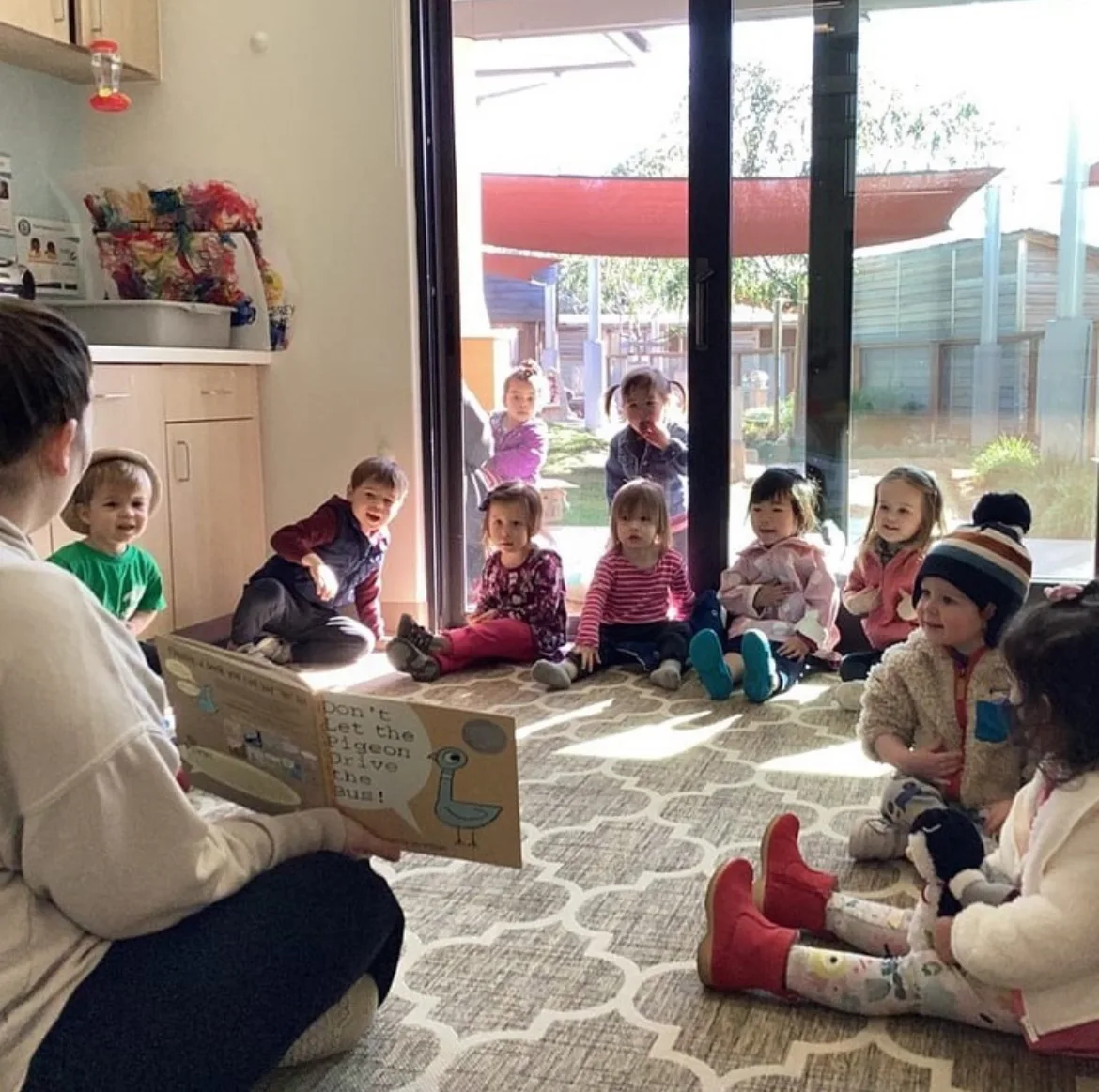
Sense of Fulfillment and Satisfaction
Few businesses bring as much personal fulfillment and satisfaction as a childcare business.
Impact on children’s early development
You are directly influencing a crucial phase of children’s lives. Your work can mold the minds and shape the futures of tomorrow’s adults.
Building a lasting legacy
Your childcare center can stand as a legacy that positively impacts the community long after you’ve retired.
Close connection with children and parents
Caring for children often entails developing relationships with them and their parents. These relationships can often grow into deep, meaningful connections.
Opportunities for Personal Growth
Running a childcare center is challenging and full of learning opportunities.
Building managerial and entrepreneurial skills
You will be managing staff, finances, and operations, and dealing with parents and clients. These responsibilities will test and enhance your managerial and entrepreneurial skills.
Diverse daily challenges
Every day will present new challenges – whether it’s soothing a child’s tears, negotiating with suppliers, or managing staffing logistics. These challenges keep the job engaging and exciting.
Continual professional development
To keep abreast with the latest in educational theory and practice, you’ll need to constantly upgrade your skills. This commitment to ongoing professional development can be highly rewarding.
Potential for Business Growth
A childcare business offers plenty of room for expansion and growth.
Expanding the business into multiple locations
Once your initial center is running effectively, you may consider opening another location. This creates opportunity for increased income and influence.
Adding additional services
You can continuously grow your business by adding new services. This could include special educational or activity programs, overnight care, or even catering services.
Building a successful brand and reputation
With diligent work and a focus on quality, your business can build a reputation that attracts more families and potentially allows for franchising opportunities.
Independent vs. Corporate Daycare Centers: The Role of Each in the Childcare Landscape
When considering the wide spectrum of childcare options, both independent and corporate daycare centers play distinct and valuable roles in the market.
The personal touch of independent centers
Independent daycare centers, often run by local owners or families, tend to infuse their programs with a strong sense of individuality and warmth. These centers commonly strive to create a home-like environment, where children and parents form close, trusting relationships with staff. Many families are drawn to the unique character and flexibility that smaller, boutique centers can offer—whether that’s a philosophy-driven curriculum, bilingual education, or a deep-rooted connection within the community.
Independent centers also bring diversity to the industry. They may offer specialized programs or innovative teaching methods tailored to the needs of their local neighborhoods. This level of personalization helps support children’s creativity and growth in a way that resonates deeply with many parents looking for more than just standardized care.
The advantages of corporate daycare providers
On the other hand, larger corporate daycare centers—those run by national or regional chains, like KinderCare, Bright Horizons, or The Learning Experience—contribute important strengths of their own. With ample resources and proven systems, these organizations can provide stability, consistency, and often extended hours or additional services that busy families rely on. Standardized curricula and centralized training can help ensure a certain level of quality and safety, which is reassuring for parents seeking reliability.
Corporate centers are also typically able to open locations in underserved areas more quickly, thanks to their financial backing and established processes. This can increase overall accessibility to childcare, particularly in growing suburbs or city centers.
Complementary roles in the market
Ultimately, both independent and corporate daycare centers fill important needs within the childcare market. Independent centers offer personal connections, unique programming, and a sense of community, while corporate providers ensure broad access and consistent service. Together, they give parents a range of choices—so families can select the environment that best aligns with their values, schedules, and aspirations for their children.

Minimal Entry Requirements
Entering the childcare industry does not necessarily require extensive qualifications.
Accessibility of starting a childcare business
You don’t need an MBA or millions in capital. While a background in education or a related field is useful, regulations vary by location, and many areas require no specific qualifications.
Who’s Starting Childcare Centers Today?
The world of childcare entrepreneurship is broader and more dynamic than you might think. While many centers are founded by those you’d expect—former early childhood educators eager to run their own show, seasoned home daycare providers, or community-minded organizations like churches—the landscape is rapidly expanding.
We’re now seeing fresh faces jumping into the mix, including:
- Entrepreneurs from outside the industry who recognize a growing demand and want to invest in an impactful business.
- Parents dissatisfied with local options, who roll up their sleeves and create the care they wish existed.
- Property developers and real estate investors who understand that high-quality childcare is a rare and valuable amenity in many communities.
- Community groups and local governments stepping in to address shortages and support working families.
- Businesses keen on retaining talent, who open centers to ensure their employees can find reliable care close to work.
- Colleges and universities looking to attract staff and students by offering on-site childcare solutions.
This diversity means that the path to center ownership is open to anyone driven by purpose, whether you’re deeply experienced in early education, passionate for your neighborhood, or simply ready for a new challenge. The influx of newcomers—everyone from enterprising visionaries to practical problem-solvers—is reshaping what it means to launch and lead a childcare business.
Navigating the Path to Opening a Daycare
If you’re contemplating the leap into daycare ownership, the path is more navigable than you might think. Many aspiring owners have little formal business background but find success with the right support and resources. Here’s how you can confidently steer through the process of establishing your childcare business:
Seek Expert Guidance and Build Partnerships
No need to reinvent the wheel—there is a supportive community ready to guide new daycare founders. Consider connecting with experienced consultants, local early childhood organizations, or seasoned daycare owners who can mentor you through licensing, setup, and operational best practices. Partners such as the National Association for the Education of Young Children (NAEYC) and local small business development centers provide valuable insights and checklists tailored for new owners.
Leverage Comprehensive Learning Resources
New owners can benefit from a variety of in-depth courses available online, many of which break down the process into manageable steps. Look for courses that cover business planning, regulatory requirements, licensing, facility preparation, and curriculum development. Many organizations, like Child Care Aware or SCORE, offer accessible guides, video modules, and downloadable templates that demystify startup essentials.
Explore Turnkey Solutions
If you prefer a streamlined setup, packaged “business-in-a-box” solutions are available. These provide customizable handbooks, operational checklists, policy templates, and workflow procedures—allowing you to focus on what matters most: providing quality care. Such resources help fast-track your launch and ensure you meet regulatory standards without hefty franchise fees.
Personalized Consulting—An Extra Hand
Sometimes, one-on-one support can make all the difference. Look for consultants specializing in child care startups who can walk you through every stage—from writing a business plan and budgeting to navigating state regulations and preparing for inspections. Many industry experts, such as those found on LinkedIn or through local business associations, offer individualized coaching to address your unique needs.
Take the First Step
Starting a daycare might seem daunting, but by utilizing available expertise and tailoring the vast resources out there to your vision, you can make your dream a reality. Get started with research, reach out to professionals, and always seek support when you hit roadblocks—success in the childcare industry often comes down to building relationships and drawing from the wisdom of those who have gone before you.
Resources and Support for New Childcare Owners
Starting a daycare is no small feat, but plenty of resources exist to help you succeed from day one.
Comprehensive Online Courses
If you prefer a self-paced approach, there are several in-depth online courses specifically designed for aspiring childcare owners. Platforms like Udemy and Coursera offer video-based modules covering everything from licensing and compliance to crafting a winning curriculum. Many courses include templates, checklists, and sample business plans that can give you a significant head start.
Done-for-You Startup Packages
For those looking for extra structure, turnkey packages can be immensely helpful. These resources typically bundle essential forms, handbooks, policy templates, and marketing materials. They’re a great option if you want professional-level documentation but aren’t ready to franchise or start entirely from scratch.
Professional Consulting and Mentorship
Sometimes, having a seasoned guide to walk you through the preparation and launch process makes all the difference. Early childhood education consultants and organizations—such as the National Association for the Education of Young Children (NAEYC)—offer personalized advice, strategic planning sessions, and support groups for new owners. Don’t underestimate the value of booking a consultation or joining a local networking group to troubleshoot challenges and get your questions answered.
Additional Support
- Local Small Business Development Centers (SBDCs) provide free coaching and resources.
- Child Care Aware of America connects new providers with training and grants.
- Online communities and forums offer peer support and real-world advice from experienced owners.
No matter your preferred learning style or level of experience, there’s a support system ready to help you build your daycare from the ground up.
Possibility to start small and grow
You can start small, maybe right from your home, and grow as you gain more experience and confidence. This makes it a business venture that is realistic and achievable for many.
Variety of childcare models to choose from
Whether you prefer a structured educational approach, a home-style care setting, or a blend of the two, there’s plenty of flexibility to choose a model that suits your vision and philosophy.
Low Recruitment Costs
Hiring for a childcare center doesn’t have to break the bank.
Availability of childcare workforce
There are many trained professionals looking for opportunities in this sector. From early childhood educators to administrative staff, finding suitable employees can be cost-effective.
Community-based recruitment
Local community events and partnerships with education facilities can be a great way to recruit staff without incurring hefty recruitment agency fees.
Potential for internships and work-study programs
Offering internships and work-study programs can provide inexpensive labor while also giving students valuable learning experiences.
In conclusion, owning a childcare business is more than just a professional venture. The constant demand, financial benefits, community connection, flexible hours, personal and business growth opportunities, along with the minimal entry requirements and low recruitment costs, make it a compelling option for many. It’s a business where your compassion, dedication, and entrepreneurship can genuinely make a difference in children’s lives, families, and the broader community.
The Rewarding Journey of Owning a Childcare Business: Blending Passion, Profit, and Purpose
More Than a Business: Creating a Safe Haven for Families
Imagine this: You’re not just starting a business—you’re building a space where children take their first steps, parents find peace of mind, and the next generation begins to learn about the world. Owning a childcare business is about shaping the future while giving families the support they need in today’s fast-paced world. If the thought of blending purpose with profit excites you, then this might be the most fulfilling career path you didn’t know you needed.
Demand and Opportunity: A Recession-Proof Industry
Let’s talk about demand. Childcare is a recession-proof industry. Children are born every day, and parents are constantly juggling careers, commutes, and the chaos of modern life. Enter the childcare center—a lifeline for working parents who need a safe, nurturing environment for their little ones. It’s not just any care they’re looking for; they want early education opportunities that engage and stimulate their children’s development.
Profitability and Flexibility: Beyond the 9-to-5 Model
Beyond the warm and fuzzy part, let’s get real—childcare can be highly profitable. Financial success in the childcare world lies in diversifying services. You can offer morning care, after-school programs, and summer camps, providing multiple streams of income. Specialized programs, like art classes or language immersion, attract parents willing to pay a premium for extra enrichment, expanding both your impact and your profit margins.
Emotional Payoff and Community Impact
Owning a childcare business isn’t just a job—it’s a calling. You’re shaping young minds, watching children learn their first words, solve puzzles, and make their first friends. The emotional payoff is priceless, and the impact goes beyond the children. You’re creating jobs and building relationships within your community, making your daycare a cornerstone for families and local businesses alike.
Flexibility and Work-Life Balance: A Rare Business Perk
Work-life balance is a luxury most people can only dream of, but as a childcare business owner, it’s entirely within reach. You can set your own hours, choosing whether to run a full-day operation or focus on specific programs like after-school care. Some entrepreneurs start home-based daycares, allowing them to be present for their own families while building a successful business.
Leaving a Legacy: A Business That Outlives You
Owning a childcare business offers the opportunity to create a lasting legacy. Decades from now, you could meet a grown-up who attended your center as a child, telling you how those early experiences shaped who they became. Your childcare center can become a cherished institution in the community, known for its care, compassion, and dedication to the development of young minds.
Personal Growth and Entrepreneurial Development
Running a childcare business is about your growth too. Managing staff, balancing finances, and handling the unpredictable nature of childcare sharpens your entrepreneurial skills. No two days are alike, keeping you engaged and constantly learning. The challenge of running a childcare center keeps you on your toes, ensuring your passion for children is matched by your growing business acumen.
Industry Growth and Expansion Opportunities
This industry is ripe for growth. Many successful daycare owners start with one location and eventually expand into multiple centers or franchises. What begins as a small operation can grow into a thriving business with endless potential. The childcare industry’s low barriers to entry make it accessible, allowing you to start small and scale up as your experience and business grow.
Accessible Startup and Affordable Staffing
You don’t need an advanced degree or massive capital to begin your childcare business. With a relatively low startup cost, some owners start from home, then expand as their reputation grows. Affordable staffing options, including early childhood educators and interns, make it easier to build a competent and enthusiastic team while keeping costs low.
A Fulfilling Career That Blends Passion with Practicality
Owning a childcare business offers a rare combination of financial stability, personal satisfaction, and community impact. With constant demand, multiple revenue streams, and the chance to make a difference in young lives, this isn’t just a job—it’s a fulfilling career that lets you combine your passion for children with the practicality of running a business. And the best part? You get to shape the future—one child, one day, one playful giggle at a time.