
Understanding the Need for a Health-Focused Approach
The concept of a health-focused childcare facility goes beyond just providing nutritious meals. It encapsulates creating an environment that fosters physical, mental, and emotional well-being in children. You’re shaping the next generation, and adopting a comprehensive approach ensures you’re equipping them with the tools they need for lifelong health.
Why Health Matters in Childcare
The increasingly busy lifestyles of parents and the prevalence of unhealthy food options have drastically impacted children’s health today. As a childcare provider, you have a unique opportunity to counter these trends. By emphasizing health, you prepare children to make better lifestyle choices as they grow.
Additionally, healthy children tend to be more active, attentive, and ready to learn, which in turn makes your facility a preferred choice for parents looking for an ideal childcare solution.
Designing a Health-Oriented Curriculum
Creating a curriculum that integrates health education is essential. This involves planning activities that promote physical activity, teach nutrition facts, and encourage emotional well-being. The goal is to make health a fun, ongoing topic of discussion and activity within your facility.
Incorporating Physical Activities
Children need to move! Activities should vary in intensity and include elements of play. Think about outdoor playtime, dance sessions, and age-appropriate sports. The key here is to keep it engaging, so children enjoy being active.
Teaching Nutrition in Fun Ways
Nutrition education doesn’t have to be dull. Incorporate games and interactive lessons that bring awareness to different food groups and the benefits of a balanced diet. You could even include cooking sessions where kids can participate in making simple, healthy snacks.
Promoting Emotional Health
Incorporate activities that foster emotional intelligence and coping skills. Storytimes can include books that address emotions, while games can teach kindness and empathy. Make room for quiet time, where children can wind down and reflect on their feelings.
 Creating a Safe and Healthy Environment
Your facility’s environment plays a crucial role in physical health. Cleanliness, air quality, and safety measures are all critical components.
Maintaining Cleanliness and Hygiene
Cleanliness should be non-negotiable. Implement a rigorous cleaning schedule and ensure that all staff members are trained in cleanliness protocols. Regular checks and balances can help maintain high standards.
Ensuring Air Quality
Fresh, clean air contributes to healthier children. Consider investing in air purifiers and opening windows to allow natural ventilation. Incorporate plants that help purify indoor air.
Enacting Safety Measures
Safety is a cornerstone of any childcare facility. Routine safety drills and childproofing your space will go a long way in ensuring children’s safety. Ensure that fire, earthquake, and emergency plans are clear, and staff are well-trained.
Building a Qualified and Passionate Team
A facility is only as strong as its team. To create a health-focused childcare center, you’ll need to hire staff who are not only qualified but also passionate about children’s health.
Hiring the Right People
When recruiting, look for individuals with a background in health, fitness, or nutrition, as well as childcare. Their expertise will enhance your program, and their enthusiasm will influence children positively.
Continuous Staff Training
The learning shouldn’t stop at hiring. Regular workshops and training should keep your staff updated on the latest health trends and childcare methodologies. Training should include emergency procedures and mental health awareness.

Engaging with Parents and Community
Parents are your allies in maintaining a health-focused approach. Engaging them can extend health initiatives beyond your facility and into homes.
Communicating with Parents
Regular newsletters and updates about your health initiatives will keep parents informed and involved. Invite them for sessions where they can learn more about maintaining healthy habits at home.
Collaborating with the Community
Partner with local health professionals who can offer workshops or seminars. They can provide live demos on cooking healthy meals, first aid courses, or wellness check-ups, which can be a valuable service for both parents and children.
Emphasizing Nutrition and Meal Planning
A key aspect of health in childcare lies in the meals you provide. Balanced, nutritious meals can bolster children’s growth and immune function.
Planning Nutritious Menus
Work with a nutritionist to plan menus that are balanced with fruits, vegetables, proteins, and grains. Consider dietary restrictions and allergies when preparing meals.
Encouraging Healthy Eating Habits
Encourage children to finish fruits and vegetables first rather than calorie-dense food. Create a rewards system that acknowledges healthy food choices, making healthy eating something they look forward to.
Implementing Health-Centric Policies
Policies can make all the difference in running an effective health-focused facility.
Developing Well-Thought-Out Policies
Write clear policies on topics such as vaccination requirements, sick day protocols, and healthy eating standards. Make sure these policies are communicated to parents and agreed upon during enrollment.
Evaluating and Updating Policies Regularly
The efficacy of any policy depends on its relevance and current applicability. Set a timeline to review and update your policies, perhaps once every year or as needed.
Measuring Success and Making Improvements
An essential part of running any business is measuring success and making improvements to your strategy and practices.
Feedback Surveys and Meetings
Send out periodic surveys to parents to gather feedback about the facility’s health initiatives. Host meetings for in-depth discussions about what’s working and what needs improvement.
Implementing Changes Based on Feedback
Feedback is only valuable if acted upon. Be willing to make changes to your curriculum, staff training, or food menu based on what parents and even staff have to say.
Legal and Ethical Considerations
Understanding and abiding by legal standards is critical to maintaining trust and credibility.
Ensuring Compliance with Health Regulations
Make it a point to understand local health and safety regulations. Compliance not only keeps children safe but protects your facility from legal repercussions.
Upholding Ethical Practices
Beyond legal requirements, maintain high ethical standards in treatment, care, and education of children. Transparency with parents about your curricula and initiative guarantees a good rapport and trusted relationship.
Looking Toward the Future
The landscape of childcare is evolving. Embracing a health-focused approach can make your facility future-ready, equipping children with the tools needed for a healthier tomorrow.
Staying Updated with Trends
The world of health and childcare is dynamic. Subscribe to industry newsletters, enroll in relevant courses, and keep an eye on the latest research to remain at the forefront of the field.
Fostering a Culture of Health
Make health an integral part of your facility’s identity. From staff to children to parents, inspire every member associated with your childcare center to prioritize health in their daily lives.
By aligning with these strategies, you’re not just running a childcare facility; you’re cultivating a space that supports comprehensive well-being. Investing in this holistic approach will pay off—not just for the children in your care, but for your business as well.
Why One Childcare Center Never Talks About Health — and Still Wins
On a quiet Wednesday morning, Laura Mendel stood near the edge of a childcare lobby and watched something unusual happen.
A parent walked in, glanced around, and relaxed.
Not smiled. Not nodded politely. Relaxed.
The parent’s shoulders dropped. Their breathing slowed. They didn’t immediately pull out their phone. They hung up a coat carefully, crouched down to say goodbye, and lingered a few extra seconds before leaving.
Laura had seen this reaction before, and it always caught her attention.
She wasn’t a childcare operator. She was an architect who had spent more than a decade designing spaces for early childhood education. She had walked through dozens of facilities that looked impressive in brochures and felt tense in real life.
This one felt different.
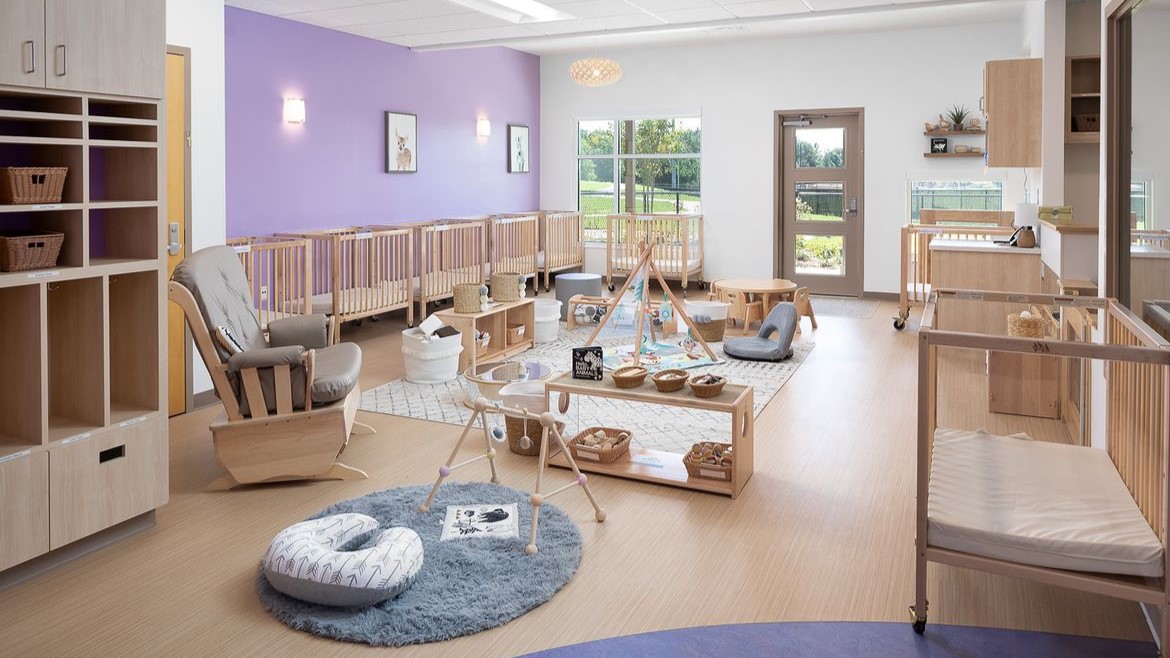
The colors were muted rather than loud. The rooms absorbed sound instead of amplifying it. There was no sharp chemical smell competing with snack time. Sunlight moved naturally through the space instead of being blocked by heavy fixtures.
The children were active, but not frantic. One group played outside without constant redirection. Another sat indoors, focused on a puzzle. A teacher knelt beside a child who looked overwhelmed, not to correct behavior, but to help the child slow down.
There were no posters announcing a health-focused philosophy.
No signage reminding parents of wellness initiatives.
And yet, this center had a waiting list that stretched into the following year.
Laura eventually asked the director what they did differently.
The director paused for a moment, then said, “We try to make it easier for kids to feel good here.”
That sentence stayed with Laura.
It explained something she had been observing across the industry but hadn’t fully articulated yet.
The childcare centers that were thriving were not loudly promoting health.
They were quietly building it into the experience.
Parents Are Not Looking for Proof. They Are Looking for Relief.
For a long time, childcare marketing focused on features.
Organic snacks. Enrichment programs. Certifications. Carefully worded curriculum descriptions.
But Laura noticed that parents were no longer responding to those lists the same way.
During tours, many parents asked fewer direct questions. Instead, they watched their child closely. They listened to the room. They paid attention to how staff moved between activities and how children transitioned from one moment to the next.
What they were really asking was simple.
Will my child be okay here?
Not academically. Not eventually.
Today.
Health, in this context, no longer meant a checklist of policies. It meant something more immediate. It meant whether a child’s body and emotions were constantly being pushed to their limits.
Parents noticed when children came home overstimulated and exhausted. They noticed when minor illnesses circulated endlessly. They noticed when bedtime became harder instead of easier.
They might not describe these concerns as “health,” but they felt the impact of it every day.
Laura saw that centers treating health as a program often struggled to convince parents. They explained their approach. They justified it. They tried to educate.
The centers that felt calm did not need to explain anything.
Parents felt the difference the moment they walked in.
A Shift That Many Business Owners Overlook
Many childcare owners believe becoming health-focused requires adding more.
More training. More initiatives. More structured activities.
Laura watched well-intentioned owners pile new ideas onto buildings that were already working against them.
Hallways that funneled noise into classrooms. Rooms so cramped that movement turned into collisions. Materials that trapped dust and odors no matter how often staff cleaned.
Teachers worked harder. Children became restless more quickly. Parents sensed tension even if they could not name it.
By contrast, the centers that felt balanced had made different decisions early.
They paid attention to airflow. They designed classrooms so children could move naturally. They created places for quiet without labeling them as such. They used layout and light to guide behavior instead of constantly correcting it.
Health was not something taught during a specific lesson.
It was something children experienced all day long.
As a result, parents compared fewer options. They asked fewer questions about price. They trusted the environment.
Why Trust Has Become the Real Advantage
Trust in childcare is fragile.
It is not built through long explanations. It grows through repeated experiences that feel consistent and thoughtful.
Laura noticed that parents tolerated small mistakes at centers they trusted. At places they did not trust, every detail became a concern.
Trust showed up when parents followed sick policies without arguing. It showed up when nutrition guidelines were accepted instead of negotiated. It showed up when families recommended a center without being prompted.
Health-centered environments created this trust because everything felt aligned.
The food matched the values. The space supported the routine. Staff behavior reflected the environment they worked in.
Nothing felt forced.
These centers were also clear about who they were for.
They did not try to accommodate every preference. Families who wanted constant exceptions usually moved on. Families who valued stability and consistency stayed.
That clarity simplified everything.
Design Shapes Behavior More Than Policy Ever Will
Laura eventually realized that most conversations about health in childcare happened too late.
Owners talked about wellness after construction was finished. After enrollment had begun. After problems became visible.
At that point, options were limited.
Design decisions made early shaped daily behavior in quiet but powerful ways.
Where children gathered. How sound traveled. Whether teachers could supervise without raising their voices. Whether fresh air was part of the day or an occasional luxury.
When Laura worked with owners earlier in the process, the conversation changed.
Instead of asking how to enforce healthy behavior, they asked how to make healthy behavior easier.
That change reduced stress across the board.
Fewer illnesses meant fewer staffing gaps. Better acoustics meant less fatigue. Clear layouts meant fewer accidents and calmer classrooms.
Health was not extra work.
It removed friction that had been accepted for years.
Parents rarely noticed the mechanics behind these choices. They noticed outcomes.
Their child slept better. Transitions improved. Mornings became easier.
That was enough.
What Effective Centers Quietly Do Well
Over time, Laura noticed a pattern among centers with strong reputations.
They allowed time for transitions instead of rushing children through the day.
They treated cleanliness as a design problem, not just a staffing one. Storage, materials, and surfaces made hygiene manageable.
They supported emotional regulation without turning it into a program. Calm spaces existed naturally. Staff were trained to respond rather than react.
They communicated expectations clearly at enrollment, which reduced conflict later.
They reviewed policies regularly instead of relying on habits formed years earlier.
None of this required perfection.
It required intention.
When environment, operations, and values supported each other, health became part of daily life rather than something to manage.
Looking Ahead
Childcare expectations continue to shift.
Parents are more aware. More cautious. More sensitive to subtle signals.
They are less impressed by long lists of features and more reassured by places that feel steady and thoughtful.
Health-focused childcare is not a passing idea. It is a response to families who feel overwhelmed by noise, speed, and constant stimulation.
The centers that understand this do not try to stand out.
They make it easier for children and parents to breathe.
Every childcare facility creates an experience, whether it is intentional or not.
Through layout. Through sound. Through light. Through how a child feels at the end of the day.
The question is not whether you value health.
The question is whether your environment supports it.
If parents toured your center tomorrow without a single explanation, what would they feel?
Calm or tension. Ease or pressure. Balance or overload.
Those impressions shape enrollment decisions far more than marketing language ever will.
If you are building, expanding, or rethinking a childcare facility, start with the experience you want families to have.
When health is built into the environment, it does not need to be sold.
People feel it.
And they stay.