
Have you ever wondered what it takes to design a childcare center that prioritizes both safety and security? Running a childcare business is no small feat. You’re nurturing young minds and ensuring they’re in the safest environment possible. This responsibility involves more than just having caring staff; it extends to creating a physical space where parents can feel at ease leaving their children.
Why Safety and Security Matter
In any childcare center, the safety and security of children are paramount. Beyond the peace of mind it provides to parents and caregivers, a secure facility prevents accidents and reduces the likelihood of harm. Ensuring your childcare center is safe and secure isn’t just about meeting regulatory standards—it’s about genuinely caring for every child’s wellbeing.
Understanding the Basics
Building Design and Layout
The foundational design of your building plays a crucial role in ensuring safety. Thoughtful planning can significantly reduce potential hazards. Think about how rooms are arranged, the flow of traffic through the building, and how these contribute to a safer environment. It’s not just about aesthetics but about creating spaces that children can navigate without risk.
Indoor Safety Measures
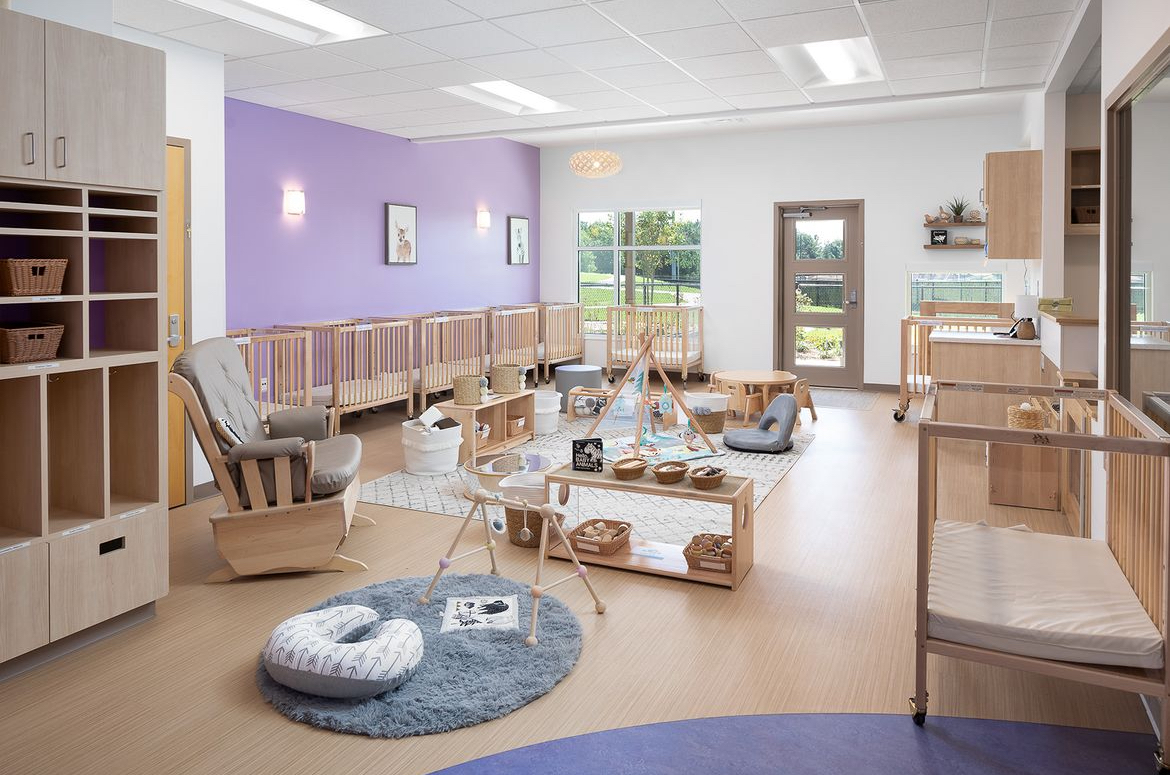
Inside your center, safety measures need to be comprehensive. From the materials used in construction to the arrangement of furniture, every detail counts. Rounded edges on furniture, non-toxic paint, and slip-resistant flooring can all contribute to indoor safety. Make your indoors a place where children can play freely without unnecessary dangers.
Outdoor Safety Measures
Don’t overlook the importance of creating a safe outdoor environment. Whether it’s ensuring playground equipment is secure and age-appropriate, or the fencing is adequate, outdoor safety demands just as much attention. Consider what children enjoy most outdoors and make sure these activities happen in a safe and secure manner.
Tightening Security
In today’s world, security is as important as safety for childcare centers. It’s essential to develop protocols that protect both children and staff.
Access Control Systems
Who should enter your childcare center and who should not? An efficient access control system ensures only authorized individuals enter your facility. Options range from key card systems to biometric scanners. Think about how these solutions integrate with your daily operations while providing the heightened security you need.
Surveillance and Monitoring
Having eyes around your facility 24/7 enhances security. Installing CCTV cameras in strategic locations is crucial not only for monitoring but also as a deterrent against unauthorized entry or misconduct. Yet, privacy considerations should always guide where and how these systems are applied.
Environmental Considerations
Child-friendly Materials
The materials you choose for your childcare center should be child-friendly. This involves considering everything from furniture to play mats. Non-toxic and hypoallergenic materials not only safeguard health but also ensure longevity and ease of maintenance.
Sustainability Practices
Incorporating green practices in your childcare center is not only good for the planet but can also create healthier environments for children. Using energy-efficient appliances, sustainable building practices, and promoting recycling within your operations can set a good example for future generations.
Emergency Preparedness
Creating an Emergency Plan
Accidents happen, and when they do, having an emergency plan can save lives. This plan should include detailed procedures for evacuations, dealing with injuries, and communicating with parents and authorities. Regular drills can ensure everyone knows what to do when an emergency strikes.
First Aid and Medical Readiness
Equally important is being ready for medical emergencies. Your childcare center should be stocked with first aid supplies, and at least some of your staff should be trained in basic first aid and CPR. This readiness not only meets regulations but also shows your commitment to safety.
Staffing for Safety and Security
Training and Development
Your staff is your first line of defense when it comes to safety and security. Regular training on safety protocols, emergency procedures, and communication skills is crucial. This is not a one-time task but an ongoing process to adapt to new challenges and regulations.
Background Checks and Vetting
Ensuring your staff is qualified and trustworthy is a fundamental step in safeguarding your center. Thorough background checks during the hiring process can weed out potential risks and give parents confidence in the integrity of your staff.
Technology in Safety and Security
Innovative Safety Solutions
Technology offers numerous tools to boost safety in your childcare center. From digital check-in systems that alert you to unauthorized accesses to apps that update parents on their child’s day, modern innovations can reinforce traditional safety measures.
Cybersecurity Considerations
With technology integration comes the need for cybersecurity measures. Protect both your business and the sensitive information of children and parents from data breaches by adopting robust cybersecurity protocols. This includes everything from password management to the encryption of sensitive data.
Legal and Regulatory Compliance
Understanding Regulations
Navigating the world of safety and security regulations can be daunting, but it’s a critical aspect of running a compliant childcare center. Stay up-to-date with national and local regulations to ensure you’re not only meeting but exceeding the mandated safety standards.
Keeping Up with Changes
Laws and regulations evolve, and so should your understanding of them. Make it a point to regularly review updates to legal requirements that impact childcare operations. This proactive approach helps you remain compliant and demonstrates a commitment to ongoing improvement.
Designing for Accessibility
Accommodating All Children
Designing an inclusive environment promotes safety and equality. Ensure your building is accessible to all children, including those with disabilities, by considering features like ramps, wide doorways, and accessible restrooms. This inclusive design fosters a supportive and secure environment for every child.
Communicating with Parents
Transparent and open communication with parents builds trust and alleviates concerns. Regularly updating parents about safety measures, changes, or incidents reassures them that their child is in good hands. Cultivate a relationship where parents feel comfortable asking questions and providing input.
Assessing and Improving
Regular Safety Audits
Conducting regular safety audits helps you identify potential hazards and areas for improvement. These audits should be part of your routine operations, ensuring that safety and security measures aren’t just set in place, but are actively maintained and improved over time.

Feedback and Adaptation
Encourage feedback from staff, parents, and even children where appropriate. Their input can offer valuable insights into how safety and security can be enhanced. Adopting a culture where feedback is valued leads to a continuously evolving and improving safety atmosphere.
Conclusion
Creating a childcare center that is both safe and secure is a constantly evolving process. It’s about putting children’s safety and wellbeing at the forefront of your design and operational priorities. Combining thoughtful design, staff preparedness, and the right technology can transform your childcare center into a haven for children and a reassuring choice for parents. You not only meet their physical needs but also create a nurturing environment conducive to learning and growth. Parents will feel at ease knowing that their children are in capable hands, and you’ll have the satisfaction of running a childcare center where safety and security are always top of mind.