
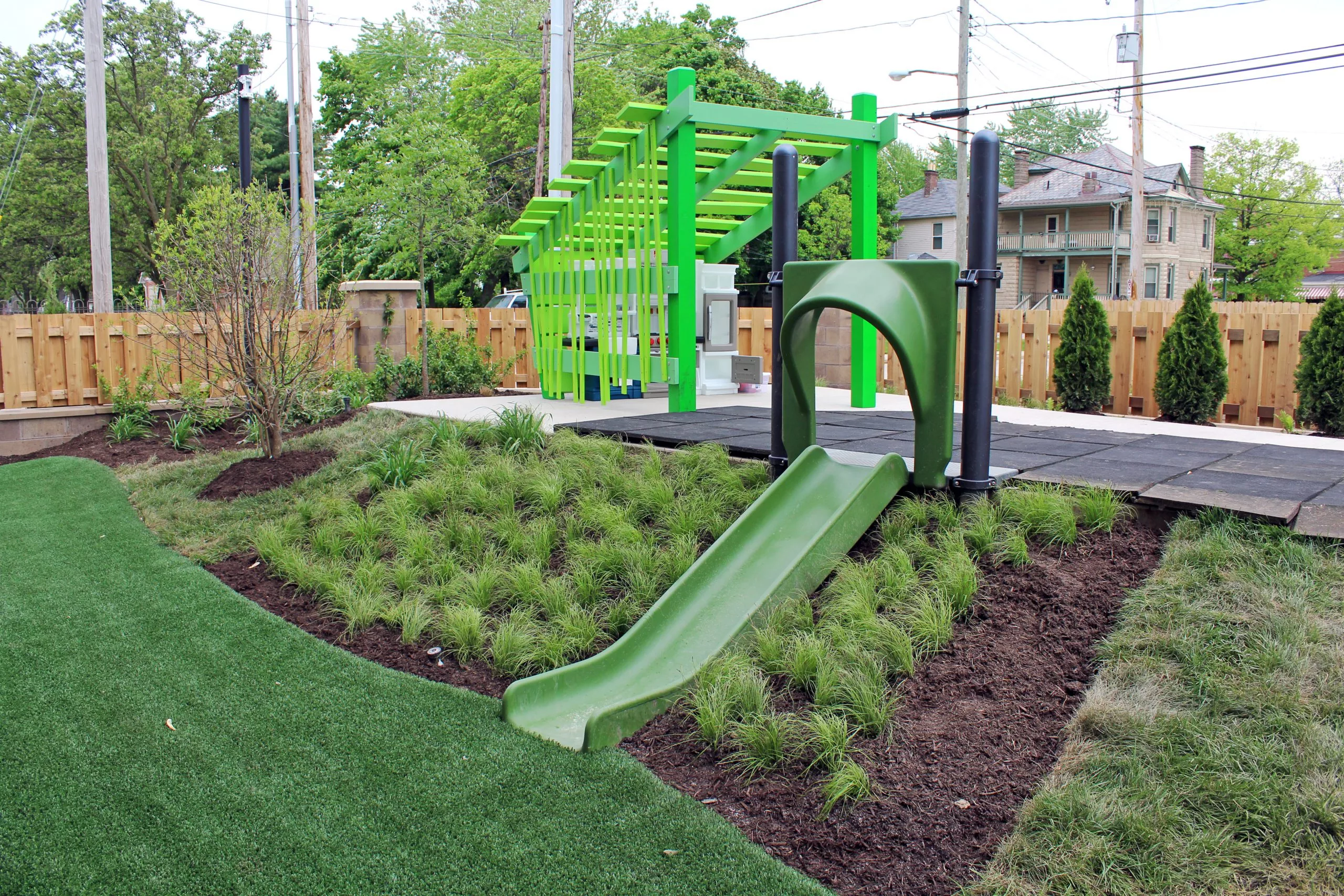
Understanding Nature Play
Nature play emphasizes open-ended interactions with natural environments and materials. It’s simple yet profound. Think less about structured activities and more about providing opportunities for kids to engage with the natural world. This could mean rolling in leaves, building with sticks, or simply observing clouds and insects. This kind of play is instinctive for children and offers invaluable learning experiences.
Benefits of Nature Play
Nature play isn’t just about having fun (although that’s certainly a part of it); it’s a foundation for healthy growth. This type of engagement enhances physical health by promoting active play, fosters creativity by encouraging imagination, and nurtures social-emotional skills as children navigate relationships and build teamwork abilities. Moreover, it instills a deeper respect for the environment from an early age, setting the stage for future generations to prioritize ecological sustainability.
The Psychological Impact
Children who participate regularly in nature-based play demonstrate better concentration, increased patience, and lower stress levels. There are fewer behavioral issues, and overall happiness tends to increase. Children return indoors with stories from their adventures, stronger from the challenges they navigated, and more connected to their environment.
Bringing Nature Play into Your Childcare Business
Integrating nature into your childcare business model isn’t as daunting as it might seem. It’s less about constructing elaborate outdoor classrooms and more about being open to shifting how time and space are valued at your facility. Here’s how you can start.
Assess Your Current Facility
Before embarking on significant changes, it’s important to take stock of what you currently have. Do you have outdoor space that’s underutilized? Can you safely and securely convert part of your grounds into a natural play area? Sometimes, even small green spaces with potted plants or a portable garden bed can be effective starting points.
Designing a Natural Play Area
Designing a natural play area can be as creative as it is fruitful. Consider incorporating elements like a mud kitchen, climbing structures made from logs, digging areas, or a simple water feature. Balance is key — provide enough structure to ensure safety while leaving room for imagination to flourish.
Investment vs. Reward
Any savvy business owner will weigh the cost of changes against the potential benefits. While it’s true that initial setup and maintenance may involve some financial commitment, the increased appeal of your facility and the potential for boosted enrollment can more than justify the investment. Parents are increasingly aware of the benefits of nature play and may prioritize pestering care centers that incorporate it.
Training Staff
Your team will play a crucial role in integrating nature play into daily activities. Provide them with the necessary training to facilitate and supervise nature play. Training should focus on recognizing the educational opportunities within natural play and ensuring safety without stifling creativity and exploration.
Practical Steps for Implementation
Implementing nature play can be approached in stages; you don’t have to overhaul everything overnight.
Start Small
Begin with easy, low-cost changes. Consider daily nature walks, bring natural elements inside the classroom, or schedule an outdoor storytime. Activities like these can introduce your staff and children to the concept without the need for major renovations or extensive planning.
Incorporate Seasonal Activities
Nature’s beauty varies with the seasons, offering unique opportunities every few months. Organize activities that align with the seasons, such as leaf collecting in autumn, bug hunts in spring, and snow art in winter. This approach keeps interest piqued throughout the year and provides rich, varied learning experiences.
Partner with Local Organizations
Collaborating with local environmental organizations or nature centers can bring added expertise and resources. These partnerships can provide your childcare with additional knowledge, activity ideas, and sometimes even financial assistance.
Overcoming Challenges
Change always comes with obstacles, but recognizing potential issues before they arise can make a world of difference.
Weather Concerns
The weather can be unpredictable, especially in regions prone to more extreme conditions. However, proper planning can mitigate weather-related challenges. Ensure children have appropriate clothing for various weather conditions and have contingency plans for days when outside time isn’t feasible.
Safety Considerations
Ensuring safety in a natural play environment isn’t about eliminating risks altogether but about managing them. Conduct regular safety checks and teach children about safe interactions with nature. Simple rules — like not tasting unidentified plants and being cautious around water features — can be conveyed in age-appropriate ways.
Parental Concerns
Some parents may have reservations about nature play, equating outdoor play with increased injuries or mess. Communication is critical — educate them on the advantages of nature play and assure them about the steps you’re taking to ensure safety and cleanliness.
The Business Edge
Why should integrating nature play matter to your business? Because it’s what many parents are actively seeking. It differentiates your services from competitors who may adhere strictly to traditional childcare methods.
Marketing Your Nature Play Program
When your childcare facility embraces nature play, you’ve got a powerful marketing tool at your disposal. Highlight it in promotional materials, host open days where prospective families can see nature play in action, and feature testimonials from current clients.
Building a Community Reputation
Becoming known as the go-to nature-friendly childcare facility can bolster your reputation in the community. This reputation doesn’t just attract families; it also attracts passionate childcare professionals eager to work in innovative settings.
Conclusion
Integrating nature play into your childcare business model could serve as a significant advantage not only enriching the lives of the children under your care but also shining a spotlight on your facility in a crowded marketplace. By promoting this dynamic and beneficial approach, you reflect a commitment to a holistic and progressive educational philosophy. The rewards of such integration are plentiful and multifaceted, impacting children’s development, the satisfaction of parents, and your own business success. It’s an endeavor full of potential, inviting you to brush off the dirt, embrace the unpredictability of nature, and watch as learners of all ages blossom.
The Space Behind the Playground
Evan Mercer had spent years thinking about walls.
Walls that met code. Walls that separated classrooms. Walls that kept children safe, contained, and accounted for. As an architect who specialized in childcare centers, he had built a reputation on precision and compliance. His clients trusted him to design spaces that worked.
But on a mild Tuesday morning, standing behind a modest childcare center owned by Marissa Cole, he found himself staring not at a wall, but at a patch of unused ground.
It was not much to look at. A strip of grass, uneven and worn. A few scattered weeds. A chain link fence that marked the boundary without offering much else. The children were inside, engaged in neatly scheduled activities. Everything was orderly. Predictable.
Marissa joined him outside, folding her arms as she looked over the same space.
“I know it doesn’t look like much,” she said, almost apologetically. “But I keep thinking it could be something more.”
Evan nodded, though he did not answer right away. He had heard this before. Owners often sensed potential before they could define it.
“What do the children do out here now?” he asked.
“Not much,” she admitted. “We bring them out for a bit, but it’s mostly just running around. I feel like we’re missing something.”
Inside, her center was efficient. The classrooms were well designed, the circulation clear, the licensing requirements carefully met. But outside, there was no real intention.
And yet, as Evan looked at the ground again, he realized the issue was not what was there. It was what was absent.
Children, he knew, were not naturally drawn to empty space. They were drawn to possibilities.
Over the next few days, Marissa began to explain more about her concerns. Parents were asking questions. They wanted more than supervision. They wanted enrichment. They wanted environments that supported development, not just routines.
At the same time, she noticed something else.
The children, after long periods indoors, became restless. Their attention wandered. Small conflicts arose more easily. Even her most experienced staff felt the strain of constantly redirecting energy that had nowhere to go.
It was not a crisis, but it was a pattern.
Evan listened carefully. He did not immediately reach for a solution. Instead, he asked a different kind of question.
“What happens when they’re outside in nature?” he said.
Marissa paused. “When we take them on walks, or when they visit the park, it’s different. They calm down. They get curious. They actually stay engaged longer.”
That observation stayed with him.
Children, he understood, were not simply reacting to activity. They were responding to environment.
A week later, Evan returned with a sketch. It was not elaborate. No grand structures, no expensive installations. Just a reimagining of the same space.
He pointed to different areas as he explained.
“A place for digging,” he said. “Nothing formal. Just a defined area with soil.”
He moved his finger slightly.
“Here, logs for climbing and balancing. Not perfect shapes. Just enough variation to challenge them.”
“And this?” Marissa asked, leaning closer.
“A simple setup for water play,” he replied. “Controlled, of course. But open ended.”
She studied the drawing. It did not look like a playground in the traditional sense. There were no bright plastic structures or fixed activities.
“It feels unfinished,” she said.
Evan smiled slightly. “That’s the point.”
He explained that the goal was not to direct every moment of play, but to create an environment where children could decide how to engage. Rolling leaves, building with sticks, watching insects. Activities that required imagination rather than instruction.
At first, Marissa hesitated.
“What about safety?” she asked. “What about the mess? Parents already worry about enough.”
Evan did not dismiss her concerns. Instead, he reframed them.
“Safety is not about removing every risk,” he said. “It’s about managing it. Teaching children how to interact with their environment. Setting boundaries that make sense.”
He also suggested something she had not fully considered.
“Bring your staff into this early,” he said. “They’ll need to understand how to guide this kind of play without controlling it.”
That, more than anything, became the turning point.
Marissa gathered her team. At first, there was uncertainty. The idea of less structured play felt unfamiliar. Some worried it would lead to chaos. Others questioned whether it would truly benefit the children.
But gradually, through discussion and small trials, perspectives began to shift.
They started simply.
A daily walk around the neighborhood. A few natural materials brought into the classroom. Story time moved outdoors when the weather allowed.
The changes were modest, but the effects were immediate.
Children who had struggled to sit still began to focus longer after time outside. Conflicts diminished. Conversations became richer. They returned indoors with stories of what they had discovered, not just what they had been told.
Encouraged, Marissa moved forward with the outdoor space.
The transformation was not dramatic in appearance. There were no bold colors or elaborate equipment. But there was intention in every element.
A digging area. A cluster of logs. A small garden bed. Space for water play.
When the children first stepped into the new environment, something subtle but unmistakable happened.
They slowed down.
Not out of hesitation, but out of curiosity.
They explored. They experimented. They negotiated with one another. They created their own games, their own rules, their own understanding of the space.
And in doing so, they began to change.
Staff noticed it first. The children were more patient. More cooperative. More engaged. Even on challenging days, there was a noticeable difference in mood.
Parents noticed it next.
At pick up, children spoke eagerly about what they had done. Not just activities, but experiences. They talked about bugs they had found, structures they had built, challenges they had overcome.
Some parents, initially skeptical, began to ask questions.
Marissa responded with clarity. She explained the purpose behind the changes. She described the benefits. She reassured them about safety and supervision.
Over time, concern gave way to appreciation.
What had once been an underused space became a defining feature of the center.
Enrollment began to rise, not because of aggressive marketing, but because families recognized something meaningful in the approach.
The center had not just added an outdoor area. It had shifted its philosophy.
Months later, Evan returned for a visit.
He watched as a group of children worked together to build something from sticks and leaves. There was no instruction, no visible intervention. Just quiet guidance from a teacher nearby.
Marissa stood beside him.
“I thought this would be about adding something to the business,” she said. “But it changed how we think about everything.”
Evan nodded.
The space had done more than fill a gap. It had revealed a different way of understanding childhood, learning, and the role of environment.
In a world where children were increasingly disconnected from nature, this small patch of ground had become a place of reconnection.
Not through complexity, but through simplicity.
Not through control, but through possibility.
And in that quiet transformation, both the children and the business had found something they did not know they were missing.