
Strong childcare centers depend on more than a well designed space. They also depend on the educators and staff who bring that environment to life every day. A recent $100,000 grant awarded to A Kid’s Place in Huntingburg, Indiana, highlights how community investment can help providers strengthen their teams and continue delivering quality care.
The Dubois County Community Foundation awarded the funding to support workforce sustainability at A Kid’s Place, a nonprofit childcare center serving infants through preschool age children. The investment is designed to help retain and support staff while strengthening the center’s ability to serve local families.
For daycare owners, the story offers an important reminder that sustainable growth involves both the physical environment and the people working within it. Thoughtful spaces can support daily routines, improve functionality, and create better environments for educators, while investments in staff can help maintain the quality of care families expect.
Community partnerships can also be valuable resources for childcare providers. Staying connected with local foundations and early childhood initiatives may uncover opportunities to strengthen programs, support employees, and expand access to quality care.
At Childcare Design, we believe successful childcare environments should work for everyone who uses them, including children, families, and educators. Smart planning can help create spaces that support both quality care and long term operations.
Read the full article to learn more about the expanded employer provided child care credit, and stay connected with Childcare Design for practical insights on planning and growing successful childcare spaces.

As a small business owner in the childcare industry, your daycare center isn’t just a business, it’s a place where children take their first steps into the world.
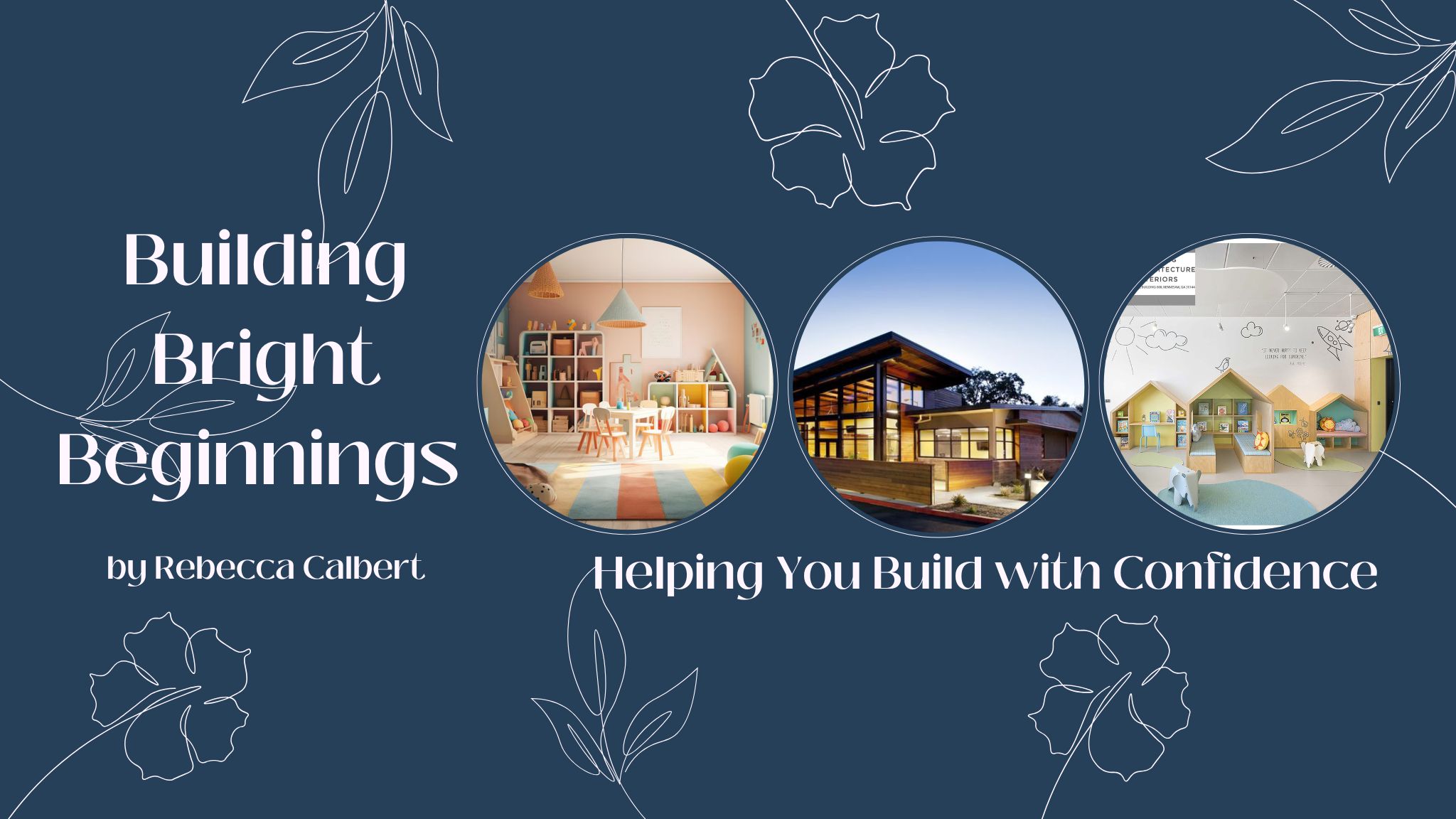
Imagine a center designed with every detail in mind, from fuzzy carpeted steps that help infants crawl, to thoughtfully placed kitchens that allow teachers to prepare snacks while keeping a watchful eye.
This isn’t just a building; it’s a space where architecture meets imagination, and where safety and sustainability blend seamlessly with play and creativity.
From natural playscapes to sunlight that adjusts throughout the day, this center is a sanctuary that nurtures both kids and parents alike. Every corner is thoughtfully crafted to enhance learning, exploration, and joy.
A well-designed childcare center does more than provide a service, it becomes a trusted part of the community, a place where children begin their journey, and where parents feel at peace knowing their little ones are safe, happy, and growing.
Let’s bring your dream daycare to life, one thoughtful step at a time. 🌟
Visit ChildcareDesign.com to start designing a space where imagination thrives and businesses grow.
Visit our YouTube channel for more videos!

What Changed in Room Three
By eight thirty on Monday morning, Claire Mitchell had already answered two parent questions, found coverage for an absent teacher, and stepped into Room Three to help settle a group of restless preschoolers.
Nothing was seriously wrong.
That was what made the problem so difficult to understand.
Her childcare center was full. The teachers cared about the children. The classrooms were cheerful and thoughtfully arranged. Parents generally seemed happy. From the outside, the center appeared to be doing exactly what a successful childcare business was supposed to do.
Yet Claire kept noticing small problems.
One teacher struggled whenever several children became upset at the same time. Another relied on the same classroom activities week after week because she was uncertain how to develop new lessons. Parent conversations sometimes required Claire to step in because staff members were not always comfortable explaining a child’s developmental progress.
Individually, none of these problems seemed especially serious.
Together, they consumed an enormous amount of time.
Claire had become the person everyone called when something became complicated.
She knew her teachers were not careless. Most were patient, warm, and genuinely interested in helping children.
What differed was their educational background.
Some employees had entered childcare after earning a high school diploma. They brought enthusiasm and practical instincts but often needed more guidance when dealing with complex developmental concerns…
Claire’s experience shows how the knowledge behind the classroom can influence everything from child development to parent confidence and daily operations. Here’s how different education levels can strengthen your childcare team and contribute to the long term success of your center.
Check out my favorite finds for adding comfort, creativity, and thoughtful function to your childcare space, with ideas you can easily bring into your own classrooms: https://amzn.to/4nISN6a