 A newly introduced bipartisan proposal, the Child Care Modernization Act, aims to strengthen the child care system by improving affordability, expanding access, and supporting providers. For daycare owners, the legislation highlights growing recognition of the industry’s importance and the need for sustainable solutions that help programs thrive.
One of the most notable aspects of the proposal is its focus on expanding child care supply and supporting facility improvements. The legislation includes grants for child care facilities and resources for providers, particularly those serving underserved communities. This reinforces the value of planning spaces that can adapt to growth, support quality care, and meet evolving community needs.
The proposal also recognizes that strong child care programs require both quality environments and operational stability. Providers who invest in thoughtful facility planning today may be better positioned to take advantage of future opportunities.
As conversations around child care policy continue to evolve, thoughtful design remains an important part of building sustainable and successful programs. Childcare Design is committed to helping providers create spaces that support children, families, and long term growth.
Read more about the Child Care Modernization Act and its potential impact on providers. Follow Childcare Design for practical insights on creating child care environments designed for growth, quality, and lasting success.

Most childcare center owners assume that modern daycare designs cost dramatically more to build.
The truth might surprise you.
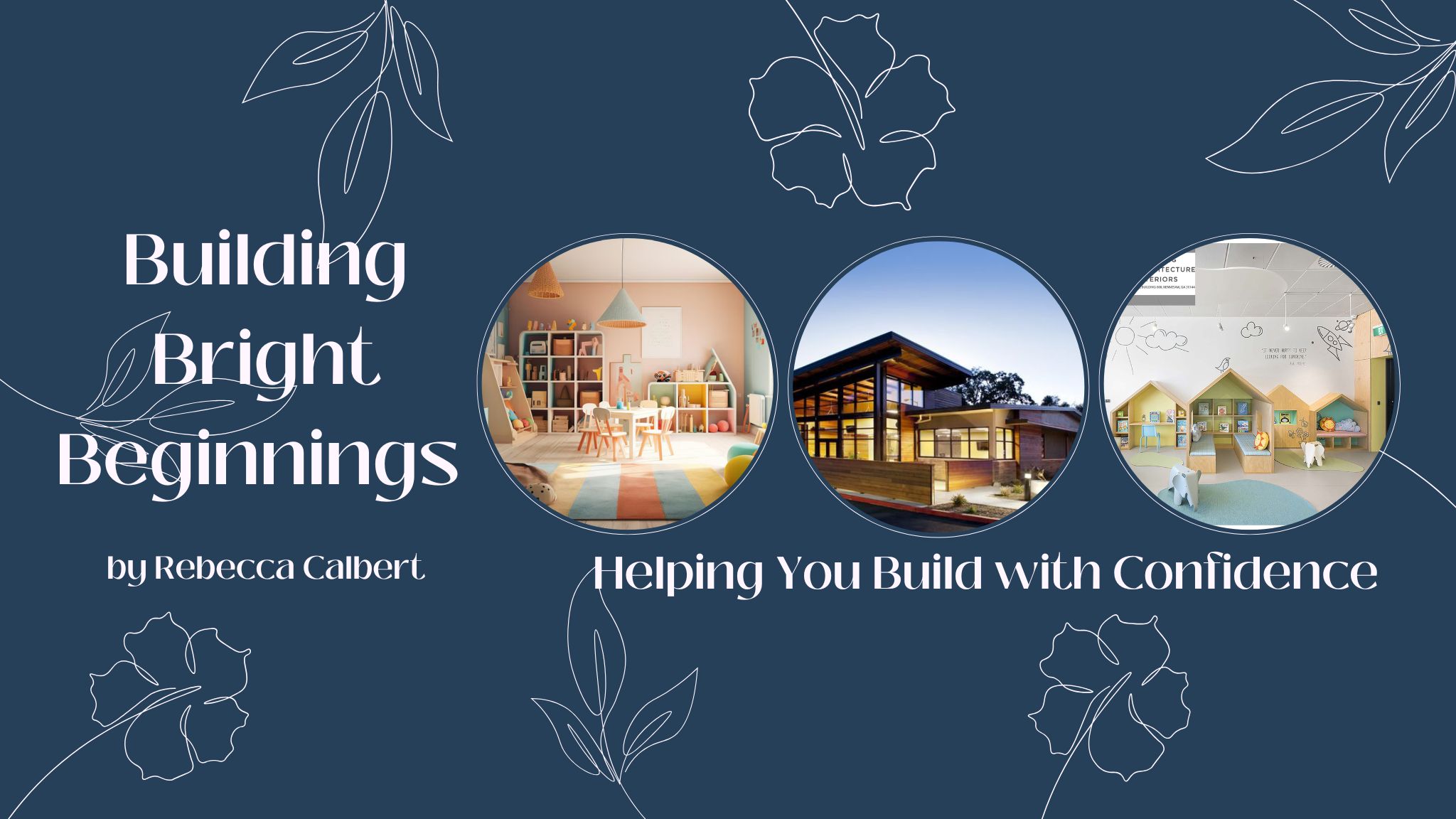
In this video, I compare traditional childcare center designs with modern childcare architecture and explain why many of the design features parents love can often be achieved with little or no increase in construction cost.
You’ll discover:
- Why some childcare centers immediately feel more welcoming than others
- The design features parents notice before they ever step inside
- How natural light, windows, entrances, and materials influence enrollment decisions
- Why simple architectural forms often outperform complicated designs
- Common daycare building mistakes that make facilities feel outdated
- How to create a premium childcare brand image without a premium construction budget
- Childcare center design ideas that can improve curb appeal and parent perception
As a childcare architect with more than 30 years of experience designing childcare centers across the United States, I’ve seen firsthand how thoughtful design can help operators stand out in a crowded market.
Whether you’re planning a new daycare center, preschool, Montessori school, early learning center, childcare franchise location, or childcare building renovation, these ideas can help you create a facility that families remember.
If you’re considering building a childcare center, expanding your school, or evaluating a potential property, be sure to subscribe because I’ll be sharing more real-world childcare design insights, construction lessons, site selection tips, and childcare development strategies in future videos.
Visit our YouTube channel for more!

The Opportunity Hidden Behind Every Enrollment
When Olivia unlocked the front door of her childcare center each morning, she thought about the families who would soon arrive carrying sleepy toddlers, oversized backpacks, and hopes for a brighter future. Every child who walked through the entrance represented more than another enrollment. Each family carried a unique story, complete with goals, challenges, and difficult financial decisions.
For years, Olivia believed that the greatest obstacle to growing her business was finding more families. She invested time in improving her classrooms, maintaining a welcoming environment, and building a reputation for quality care. Yet despite her efforts, several classrooms still had empty spaces. Parents often toured the center with genuine interest, only to explain that the cost of childcare simply exceeded what their household could afford.
Those conversations left Olivia discouraged. She knew her program could make a meaningful difference for those children, but she also understood the realities families faced. She wondered whether there was a practical solution that benefited both parents and providers…
Read more here.
Check out my favorite architect approved classroom essentials that help create beautiful, functional spaces where children can learn, play, and thrive: https://amzn.to/4tVzEkO.